After recently getting very excited about watching the first
Disney Pixar movie with a female leading protagonist (as it was so advertised),
I’m left feeling bewildered as to what this movie means about feminism.
Now don’t get me wrong, I do realise that this is just an
animation, aimed at children but it cannot be denied that gendered roles in
Disney films have a direct impact on young children. In all the classic films,
women are seen as the damsels in distress who need to be saved by men in order
to survive and restore order to the kingdom. Pretty princesses that are in need
of rescuing. Evidently, with the release of Mulan, Disney were able to present
a cartoon about a strong woman fighting in a war, however she was only able to
do so by dressing as boy – stereotype or what? Brave was meant to be
revolutionary because of the emphasis being on the first protagonist in a Pixar
film, not cartoon, since all the Disney princesses are considered protagonists anyway,
which is a whole other discussion in itself.

The main character, Merida, a young Scottish princess was
presented in all of the advertisements as strong and confident. She stands
proud against a dark back drop, holding a bow and arrow, a true depiction of a
strong feminine character. So, from seeing this poster and with a film named
Brave, I assumed it would be about a princess leading her country into battle. How
wrong I was.

The film is centred around a young princess and her pending marriage
to a young prince. What makes this story different (apparently) to any other
Disney story is that Merida does not want to get married. She in fact wants to
enjoy life, she is what some people would term a “Tom boy”; don’t ask me why, I
don’t know – it’s just that obscure that a girl would like the same activities
as a boy. However, that is beside the point, so Merida being a young girl that
doesn’t want to get married finds herself in a predicament as her mother, the
Queen, is adamant it must happen to keep the peace of the country. Furthermore,
it meant to be completely radical and revolutionary that Merida doesn’t want to
get married – is this really that astounding in the modern day 21st
century? To say it quickly, Merida sees a witch, casts a spell, her mother
turns into a bear and the story revolves around Merida needing to reconcile with
her mother to turn her back human and ultimately is able to change the tradition
revolving marriage.
Now, I can see how on one hand this is a depiction of
feminism. A young female character going against the trends of the time to
break traditions and change history forever. A strong character – I guess –
fighting the system. I mean this is what feminism consisted of when we look
back to the Suffragettes, Merida managed to single handily (not really) change
the opinion of all of the Lords and her mother so she was freed from forced
marriage. But do we really want to present an outdated image of feminism to
children?
The matter of fact is, that there is yet to be a leading
animated story with a leading female character that is not overridden with the
message of marriage and a happy ending. Although Brave does come close, she
does get out of getting married, her choice is essentially to make sure she can
choose her own husband in her own time. It does not consider that she may not
want to get married at all. Furthermore, she only has the “choice” out of three
boys, the only change being she gets to choose which one and that it is not
decided through competition. Is this really something that can be attributed as
a success of a strong feminist character, let alone brave?
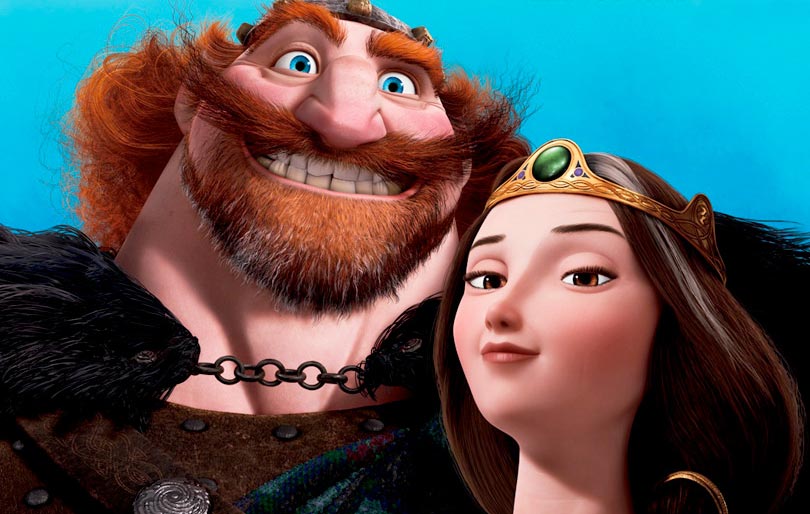 Now, I did really enjoy the film. It had a lovely
undercurrent of family emotion (another stereotypically feminine trait,
coincidently underlying this so called revolutionary film). It was funny,
Merida was a character that I think young girls of today could relate to. She enjoyed
the same things that boys did, despite the fact that activities shouldn’t be
gendered anyway. She despised having to wear a tight dress for her proposals (an
interesting subject in the film) and she rebelled against her mother’s
traditions and sympathised with her father. This does indeed present a lovely
picture of a strong girl that knows who she is and what she wants but is torn
between staying true to herself and making her mother happy. Indeed, by trying
to do what she wants she turns her mother into a bear! The fact the two women
in the film couldn’t talk about their issues only reinforces the stereotype of
women being irrational and stubborn characters. Granted, however, that Merida
is breaking the stereotype of
princesses, her issues revolve around marriage – clearly the only problem that
girls have to face growing up.
Now, I did really enjoy the film. It had a lovely
undercurrent of family emotion (another stereotypically feminine trait,
coincidently underlying this so called revolutionary film). It was funny,
Merida was a character that I think young girls of today could relate to. She enjoyed
the same things that boys did, despite the fact that activities shouldn’t be
gendered anyway. She despised having to wear a tight dress for her proposals (an
interesting subject in the film) and she rebelled against her mother’s
traditions and sympathised with her father. This does indeed present a lovely
picture of a strong girl that knows who she is and what she wants but is torn
between staying true to herself and making her mother happy. Indeed, by trying
to do what she wants she turns her mother into a bear! The fact the two women
in the film couldn’t talk about their issues only reinforces the stereotype of
women being irrational and stubborn characters. Granted, however, that Merida
is breaking the stereotype of
princesses, her issues revolve around marriage – clearly the only problem that
girls have to face growing up.
Furthermore, the issue of despising the tight dress is
something I disagree with as well. It may come across as contradictory but it
presents the message that a girl cannot want to look good and act how they want
at the same time. There is a particular point that emphasises this in the film
as Merida rips her dress as she shows off her bow and arrow skills to the
watching crowd. Arguably this is to show her emancipation from the restriction
of tradition, however I saw it as a division between beauty and “bravery” (as
the film so wishes to call it). No division is necessary, for the character to
be a truly modern feminist protagonist, in my opinion, she should have been portrayed
as both beautiful and strong.
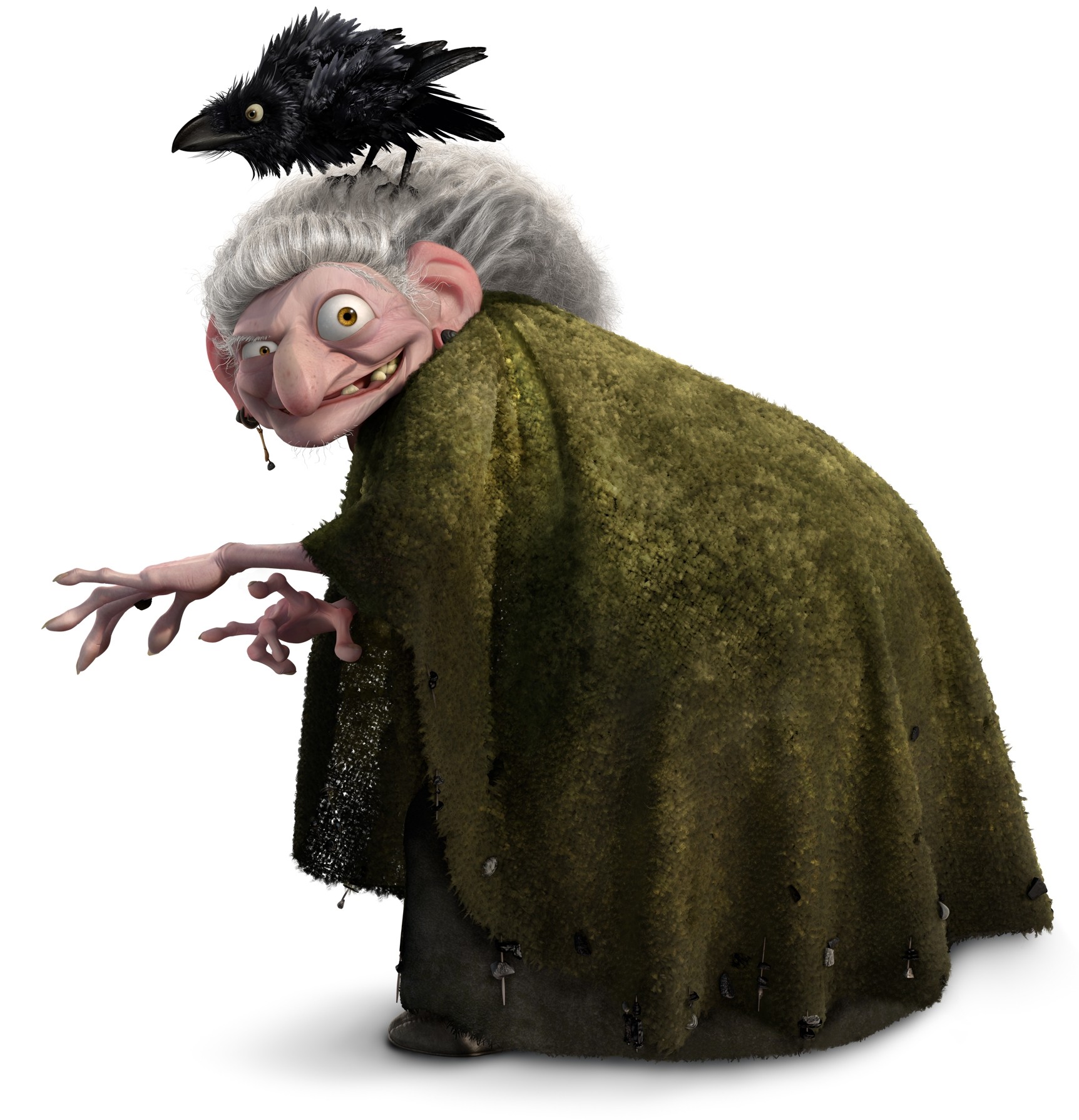 For a film that was taking pride in itself because of its
move towards feminism, there was a definite lack of women characters – there
were only three. The Queen, essentially the one in the wrong, Merida a “Tom –boy”
and a witch that sparked the bear problem. Now, the Queen is a strong feminist
in my opinion, despite wanting to inflict tradition on her daughter, she’s a
strong character that could evoke silence in a room full of arguing men. She took
pride in her appearance and had power, the men were all awaiting her decision
before leaving and were beckoning her answer. She was wrong for trying to
enforce marriage upon her daughter but only did so to stop a war. Despite this
it was her overall compromise and decision for the freedom of marriage which saved
the day, not Merida’s. Of course, it’s true that she would not have come to
such a decision without Merdia confronting the tradition but her lack of
bravery is shown by going behind her mother’s back to resolve the problem, this
only makes her seem further irrational and irresponsible – in fact, far from
Brave.
For a film that was taking pride in itself because of its
move towards feminism, there was a definite lack of women characters – there
were only three. The Queen, essentially the one in the wrong, Merida a “Tom –boy”
and a witch that sparked the bear problem. Now, the Queen is a strong feminist
in my opinion, despite wanting to inflict tradition on her daughter, she’s a
strong character that could evoke silence in a room full of arguing men. She took
pride in her appearance and had power, the men were all awaiting her decision
before leaving and were beckoning her answer. She was wrong for trying to
enforce marriage upon her daughter but only did so to stop a war. Despite this
it was her overall compromise and decision for the freedom of marriage which saved
the day, not Merida’s. Of course, it’s true that she would not have come to
such a decision without Merdia confronting the tradition but her lack of
bravery is shown by going behind her mother’s back to resolve the problem, this
only makes her seem further irrational and irresponsible – in fact, far from
Brave.
So it becomes clear that Merida is not the strong leading feminist
character that the posters portray her to be. No. The Queen is, she is even
strong enough to admit she is wrong and has the power to change tradition. I guess
you can call Merida “Brave” for wanting to break tradition but really this just
seems like a teenage rebellion, that the Queen is left to resolve. If anything
the Queen is the leading protagonist and is the “Brave” one, and she was a bear
for the majority of the film. But, sadly feminists are still left waiting for a
Disney film, where marriage isn’t the sole problem, nor resolution, confronting
women.
